Health & Wellness
Understanding Your Health Screening Results in Malaysia
Jul 10, 2026
Health & Wellness
Many Malaysians go for health screenings every year, but often leave without fully understanding what the results actually mean. Reports filled with numbers, ranges, and medical terms can feel confusing, especially when everything looks “normal” or slightly out of range.
Those numbers on your report actually help identify early warning signs of health risks such as diabetes, heart disease, liver issues, and more. When understood correctly, they can guide better lifestyle choices and encourage early action.
The purpose of this article is to explain common health screening indicators in simple terms so you can better understand your results. However, it is important to remember that this guide is for general understanding only. Always consult a healthcare professional for proper medical interpretation.
Why Health Screenings Matter
Health screenings play an important role in preventive healthcare. Instead of waiting for symptoms to appear, screenings help detect potential issues early.
1. Detect Risk Factors Early
Many conditions such as high blood pressure, high cholesterol, or diabetes develop silently without obvious symptoms. Screenings help identify these risks before they become serious. This early awareness allows individuals to take action before complications develop and negatively impact long-term health.
2. Support Preventive Healthcare
When risk factors are identified early, lifestyle changes or early treatment can help prevent more severe health problems in the future. This may include improvements in diet, increased physical activity, stress management, or medication when necessary.
3. Monitor Lifestyle-Related Condition
Conditions linked to diet, stress, lack of exercise, and sleep can be tracked over time through regular screening results. This helps individuals understand how their daily habits directly influence their health trends and overall well-being.
4. Allow Earlier Treatment and Better Outcomes
Early detection often means simpler treatment, lower medical costs, and better long-term health outcomes. It also reduces the likelihood of complications that may require more intensive or prolonged medical care later on.
This is why health screening in Malaysia is strongly encouraged, especially for adults above 30 or those with family history of chronic illness.

Common Health Screening Numbers Explained
Health screening reports typically include several key indicators. Here is what they mean in simple terms.
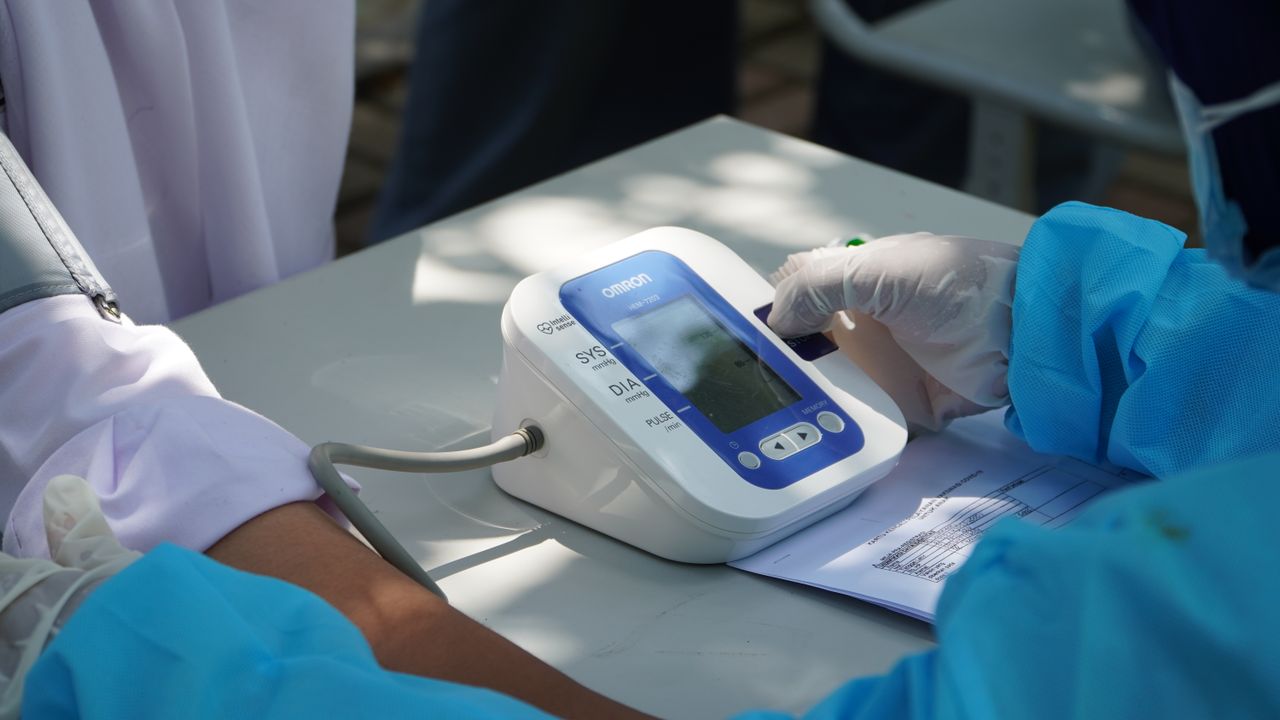
1. Blood Pressure
Blood pressure measures the force of blood pushing against your artery walls. It is usually shown as two numbers:
Higher readings may indicate increased strain on your heart and blood vessels. If consistently high, it may increase the risk of heart disease or stroke. Low blood pressure is less common but may cause dizziness or fatigue in some cases. Regular monitoring is important because high blood pressure often has no symptoms.
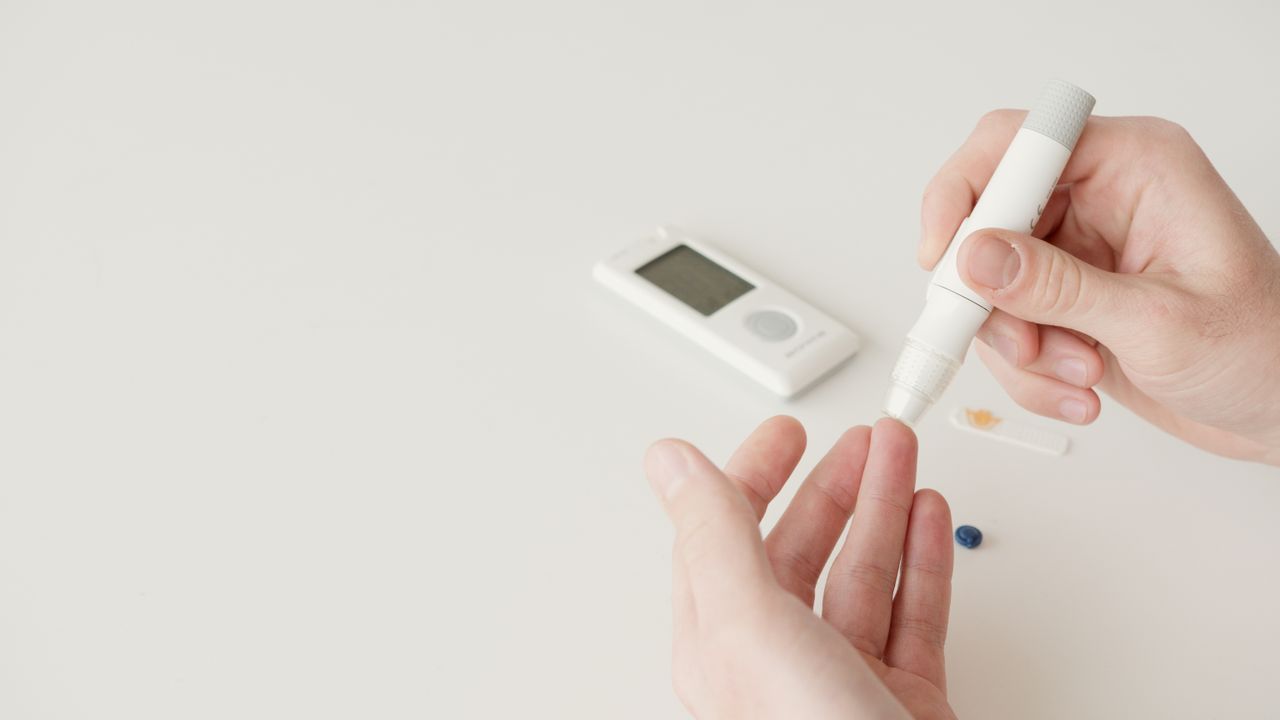
2. Blood Sugar
Blood sugar tests help check how your body processes glucose (sugar). This is commonly used to screen for diabetes or pre-diabetes. Common tests include:
Higher-than-normal readings may suggest insulin resistance or diabetes risk. Early detection allows for lifestyle changes such as diet control, weight management, and exercise before the condition worsens.
3. Cholesterol Levels
Cholesterol is a fatty substance found in your blood. Your report may include:
High LDL or triglycerides may increase the risk of heart disease, while HDL helps protect heart health. Cholesterol levels are strongly influenced by diet, physical activity, and genetics.
4. Body Mass Index (BMI) and Waist Circumference
BMI measures body weight relative to height, giving a general indication of whether you are underweight, normal weight, overweight, or obese. Waist circumference measures fat distribution around the abdomen. This is important because abdominal fat is linked to higher health risks compared to fat stored elsewhere.
Higher BMI or waist measurements may indicate increased risk of conditions such as diabetes, high blood pressure, and heart disease.
5. Liver and Kidney Function
Liver and kidney tests help assess how well these organs are working.
Abnormal results may indicate inflammation, infection, or early signs of organ stress that may require further investigation. These organs are essential for overall body function, so regular monitoring is important.
6. Full Blood Count (FBC)
full blood count checks different components of your blood, including:
Abnormal readings may indicate conditions such as anaemia, infection, inflammation, or other blood-related issues. A doctor may recommend further tests if results are outside the normal range.
What to Do After Receiving Your Results
Receiving health screening results can feel overwhelming, especially if you see numbers outside the normal range. However, one abnormal reading does not always mean something serious. Here’s what you should do next:
1. Do Not Panic Over One Reading
Health results can be influenced by diet, stress, sleep, or temporary conditions. One abnormal result may not reflect a long-term issue. In many cases, readings can fluctuate depending on what you ate, how well you slept, or even your hydration levels on the day of the test.
2. Discuss Results With a Doctor
A healthcare professional can interpret your results in context, considering your age, lifestyle, family history, and symptoms. They can also help distinguish between minor variations and indicators that may require closer monitoring or further attention.
3. Make Lifestyle Changes Where Needed
If results show early risk factors, simple changes like improving diet, exercising more, reducing sugar intake, or managing stress can make a big difference. These small adjustments, when done consistently, can significantly improve your health markers over time.
4. Follow Up With Further Tests if Recommended
Your doctor may suggest additional tests for clearer diagnosis. This helps confirm whether any condition requires treatment or monitoring. Following through with these recommendations ensures that potential health issues are not missed or misunderstood.
5. Keep Records to Track Changes Over Time
Comparing results year by year helps you understand trends in your health and whether lifestyle changes are working. This long-term view makes it easier to spot gradual improvements or emerging risks before they become serious.
How Screening Supports Health Planning
Health screening is not just about identifying current issues. It also plays an important role in long-term health and financial planning. When conditions are detected early, treatment is often simpler, more effective, and less costly compared to late-stage treatment.
Understanding your health status helps you make informed decisions about diet, lifestyle, and preventive care. It also allows you to take proactive steps to reduce future health risks rather than reacting only when symptoms appear.
Your health condition may affect your eligibility, coverage options, or premiums for medical insurance in Malaysia and critical illness insurance. Knowing your health profile early helps you choose suitable protection before potential conditions develop or progress.
Conclusion
Health screening results are powerful tools that help you understand your body better. While the numbers may seem technical, they provide valuable insights into risks related to blood pressure, sugar levels, cholesterol, organ function, and more.
However, screenings alone are not enough. They should be paired with healthy lifestyle habits and professional medical advice for the best outcomes. Screenings help you understand your health today, while insurance helps you prepare financially for unexpected health issues in the future.
All or any of the benefits stated above are subject to terms and conditions. The above articles are intended for reference and informational purposes only. AmMetLife does not accept any responsibility for loss which may arise from reliance on information contained in the article.
References:
1. https://www.hsc.com.my/health-screening-in-malaysia
2. https://www.betterhealth.vic.gov.au/health/servicesandsupport/regular-health-checks
3. https://www.kadieleachmd.com/blog/blood-pressure-cholesterol-and-glucose-what-your-numbers-mean
4. https://nutritionmonthmalaysia.org.my/wp-content/uploads/2024/07/NMM-2024_Regular-Health-Screening-A-Lifesaving-Practice.pdf